

Introduction
Most people think Class II malocclusion is just a “weak chin” or protruded smile. But for some patients, it’s a layered issue combining skeletal imbalance, functional muscle problems, and ongoing tooth damage that gets worse over time.
This patient presented with a complex skeletal Class II condition involving a recessed mandible and compromised facial structure. What made this case uniquely challenging was progressive, widespread posterior tooth wear paired with soft tissue and muscular dysfunction.
Because standard one-size-fits-all braces cannot address skeletal flaws, worn dentition, and functional issues simultaneously, we used a fully customized bracket system to deliver precise, tailored 3D correction—restoring function, stopping further tooth damage, and creating a naturally balanced facial profile.

Diagnosis
1. Skeletal Presentation
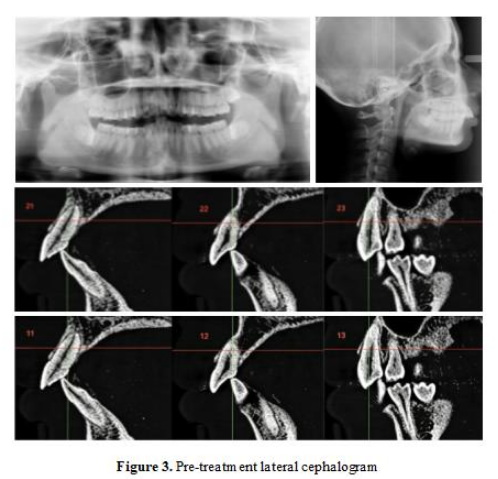
Low mandibular plane angle and obvious mandibular retrognathia—the core structural causes of the patient’s convex facial profile and jaw disharmony.
Flared maxillary anterior teeth aggravated facial protrusion; severe generalized posterior tooth attrition with nearly complete obliteration of anatomical crown landmarks, distorting the occlusal plane and undermining occlusal stability and masticatory function.
2. Soft Tissue & Functional Disorder
Resting incompetent lip seal, reduced lower one-third facial height, and chronic masseter hyperactivity. Compensatory muscle tension further accelerated tooth wear and deteriorated facial and functional balance.
Objectives
Tailored to the patient’s unique skeletal, dental, and functional defects, our treatment focused on correcting structural deformities, restoring oral function, optimizing facial aesthetics, and preventing further dental damage, with the following goals:
· Retract proclined maxillary incisors and fully close extraction spaces to refine the convex facial profile and achieve balanced mid-lower facial aesthetics.
· Intrude anterior teeth to eliminate deep overbite, restore physiological lower 1/3 facial height, and normalize facial proportional harmony.
· Align the full dentition, remodel the occlusal morphology of worn posterior teeth, and establish a stable bilateral cusp-fossa occlusion for worn molars.
· Restore competent resting lip seal, relieve hyperactive masseter tension, stop pathological tooth attrition, and protect healthy dental tissue.
· Maintain balanced jaw relationships, stable long-term occlusion, and healthy TMJ function for sustainable oral and facial stability.
Bracket Design
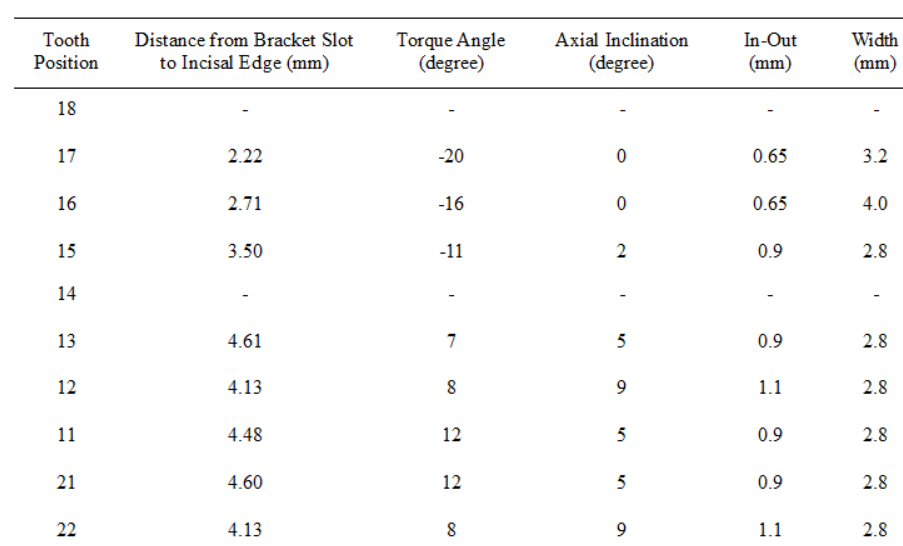
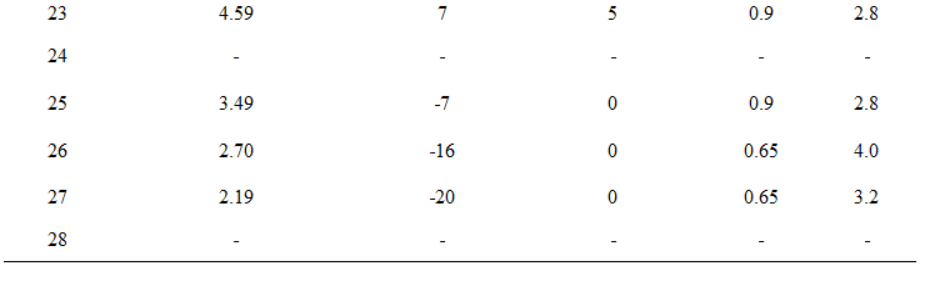
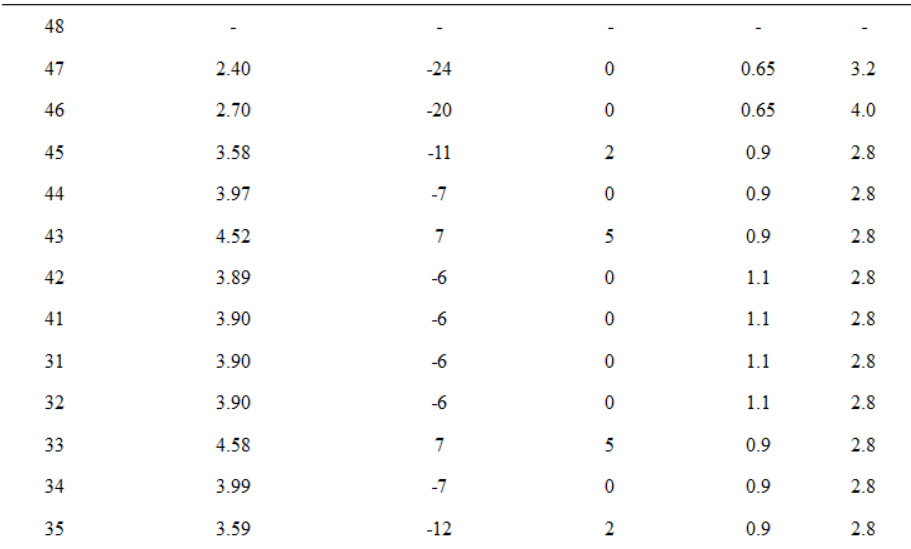
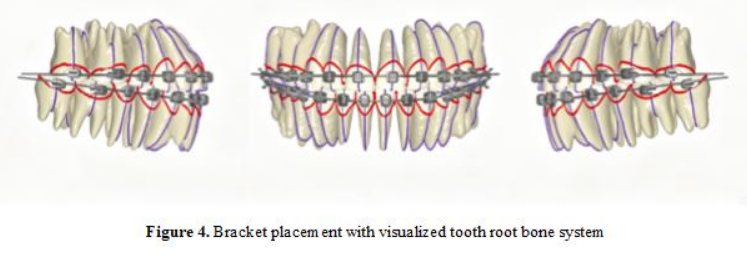
Every tooth has a unique anatomy, and generic brackets clearly fail to accommodate complex malocclusions. Therefore, for this high-complexity case, we deployed a fully personalized custom bracket system. Every torque, inclination, offset, and positioning parameter was digitally customized to the
patient’s skeletal structure and tooth morphology. This precise 3D design ensures controlled, accurate tooth positioning to deliver ideal occlusion and facial harmony. Full bracket specifications are listed below:

Treatment Outcomes
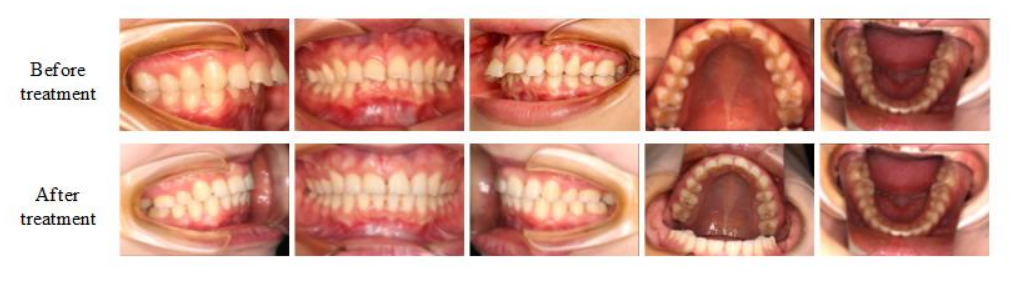
Post-treatment clinical and cephalometric evaluation confirmed full, successful correction of all clinical concerns as follows:
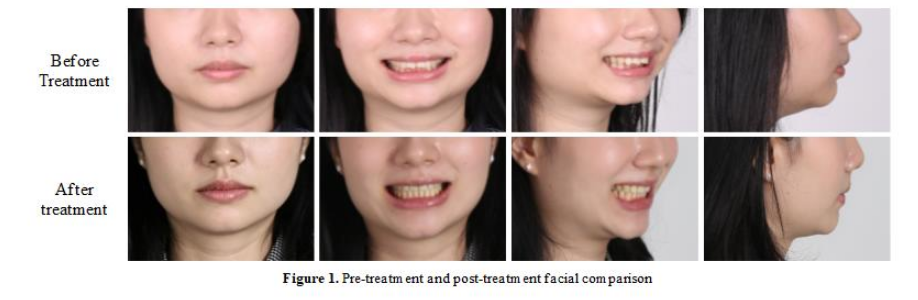
· Dental Alignment & Space Closure: Complete extraction space closure achieved. Upper and lower anterior teeth obtained optimal retraction and intrusion, resulting in a well-aligned dentition with ideal anterior inclination.
· Occlusal Function Restoration: Severe deep overbite was fully corrected. Worn posterior teeth regained physiological bilateral cusp-fossa contact, establishing stable, functional occlusion and normal masticatory efficiency.
· Facial & Soft Tissue Harmony: The unfavorable convex facial profile was significantly refined. Lower 1/3 facial height was restored to physiological standards, with smooth, balanced soft tissue contours and integrated skeletal-dental-soft tissue harmony.

Conclusion
Every complex malocclusion presents a unique combination of skeletal, dental, and functional challenges. In this case, a customized orthodontic approach enabled treatment to be tailored to the patient’s individual anatomy, resulting in comprehensive improvements in occlusion, facial balance, and oral function. By addressing the underlying causes of the malocclusion rather than focusing solely on tooth alignment, the treatment achieved a stable and well-balanced outcome that supports long-term oral health.